

In the past year, field officers from the national agency for Indigenous peoples trekked over a vast distance through untouched wilderness on the southern border of the Amazon region. Their task was to survey and help protect an tribe with little to no interaction with the contemporary society.
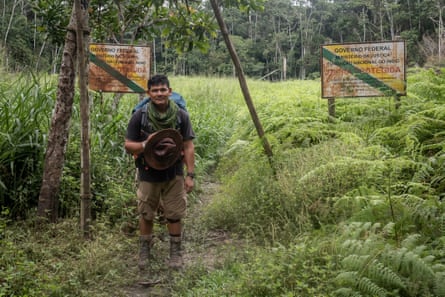
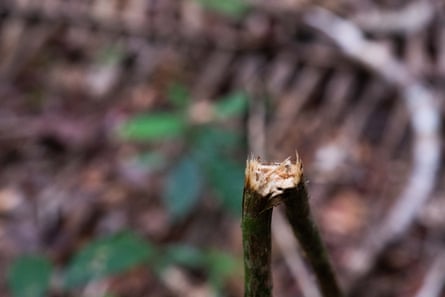
Their observations included a handcrafted item made from forest foliage, a child’s footprints by a stream, and branches recently hacked to gather honey. They also found former dwellings slowly decaying and remnants of foraged food near old fire pits. These were all telltale indicators that the Kawahiva people continued to inhabit the region.
Bureaucratic Delays Hinder Legal Safeguards
Despite a high court order mandating a safeguarding strategy for the isolated community, the Brazilian government has yet to act. The legal requirements included accelerating the official marking of their territory and detailing deforestation reduction strategies.
Red tape, funding shortages, and violent land conflicts—involving attacks by individuals linked to the timber trade—have effectively blocked the entire process.
Without clearly marked borders, loggers and ranchers persist in advancing, leaving the Kawahiva extremely vulnerable of cultural eradication. Indigenous supporters label the inaction a intentional and dangerous infringement of the Brazilian law.
“The inaction in demarcation is not only illegal, it is also extremely dangerous.”
A Forest Under Siege
The proposed 400,000-hectare protected territory remains without full protection, as stipulated by law. It is considered the greatest expanse of vulnerable jungle in Brazil that is home to communities in voluntary isolation.
Just outside the reserve's boundaries, the landscape changes dramatically. The land is scorched for pastureland. Barbed wire and barriers are going up, and logging tracks are extending deeper into the pristine forest.
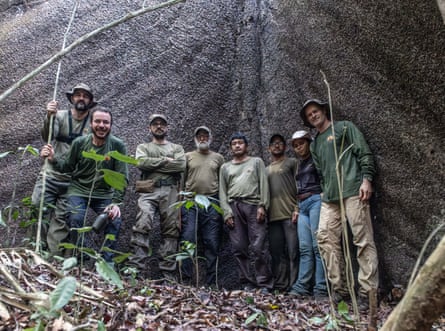
Following the expedition, a agency head for territorial protection pledged to resolve the situation. “We are employing everything in our power to make certain that the Kawahiva land gets official status,” the official stated.
Money Problems and Escalating Tensions
The official mapping of the vast territory involves setting up official signs. This is seen as a crucial action to demonstrate to loggers and farmers that the state will enforce about protection. However, the demarcation is delayed.
Financial resources has been a primary obstacle. Initial plans to use federal payments from a highway project fell through. The agency has since looked for alternative funding.
It has now initiated a partnership with a technical academic body. “This is a collaborative effort that we’ve used successfully before,” explained an official. “The fieldwork is planned to begin in early 2026.”
The institute acknowledged that discussions were progressing but did not specify when work would begin.
Complicating everything is what officials term a “conflictual situation in the region,” which is expected to require an security detail during any boundary marking.
Threats and Intimidation
The risk of attack is real. In the past, an hostile mob attacked a field station in the territory, resulting in a firefight where one attacker was killed. More recently, national force officers were present in the area.
In recent months, an audio recording surfaced in which a man, claiming to be a local leader, verbally attacked the lead field agent. The individual, believed to be associated with local loggers, boasted to have searched the land “looking for those isolated Indians.”
He is under indictment for several offenses, including charges related to the attempted murder on the agent. “Our operations are hindered because of this guy,” the man said in the recording.
A Race Against Time
Anthropologists and rights advocates point out that it has been over two decades since the presence of the isolated group was verified. “In all these years, land-grabbers have sought to overturn the territorial status in court,” noted one expert.
They raise a disturbing possibility: that the current delay is a political obstacle rather than a procedural one. This leads to apprehension that action may not happen even in the coming year.
The electoral calendar adds urgency. Many believe that 2026 represents the closing window for this land protection initiative to be completed, before a potential change in government could stop similar processes, as occurred in the past.
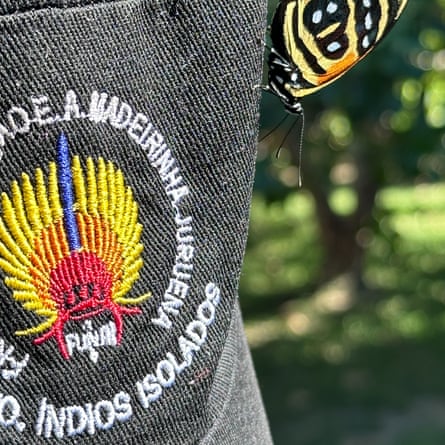
The legal ruling was the result of a petition filed by a tribal rights group. The court highlighted the “risk of genocide, food insecurity, and acculturation” facing the community.
A lawyer involved described the process as “not moving,” with the court expecting implementation. The risks of inaction are stark. “Moreover, it is incredibly perilous and endangers the lives of the vulnerable tribe,” warned a representative from an international advocacy group.


